

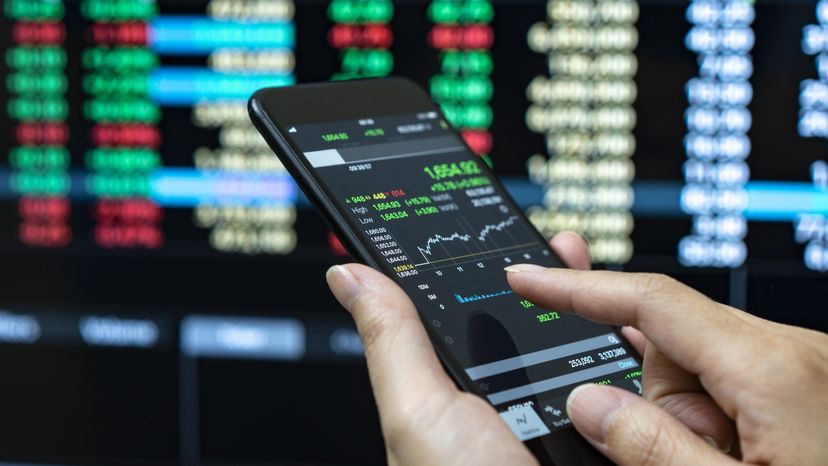
Online trading has transformed the financial world, giving individual investors unprecedented access to markets that were once reserved for institutions. From buying shares in major companies to trading global currencies, the modern investor can now manage a diverse portfolio with just a few clicks. As technology continues to evolve, so too do the opportunities for those eager to grow their wealth and expand their financial knowledge.
Among the most popular investment vehicles today are stocks, exchange-traded funds (ETFs), and foreign exchange (Forex) markets. Each offers unique advantages, risks, and strategies, making it vital for traders to understand how they differ and how to navigate them effectively.
Understanding the Appeal of Online Trading
The rise of online trading platforms has democratized investing, allowing individuals from all walks of life to participate in the global financial system. Investors can now open accounts, fund their portfolios, and begin trading from anywhere with an internet connection.
What was once the domain of full-service brokers and investment managers has become accessible to everyday people seeking control over their financial future. Online trading platforms empower investors with real-time data, analytical tools, and educational resources that make decision-making more informed and transparent.
Whether you’re a beginner exploring your first stock purchase or a seasoned trader analysing Forex charts, the modern trading ecosystem offers a wealth of possibilities. But with this accessibility comes the need for discipline, research, and strategy—because while opportunities abound, so too does market volatility.
Investing in Stocks: The Classic Wealth Builder
Stocks have long been considered the cornerstone of wealth creation. By purchasing shares of a publicly traded company, investors gain ownership stakes that can appreciate over time. The potential for capital gains, combined with dividends, makes stocks a favoured choice for both short-term traders and long-term investors.
The stock market reflects the performance and potential of businesses across industries, economies, and borders. For example, investors might buy shares in established companies for stability or emerging startups for growth potential. Over time, diversification—spreading investments across different sectors and regions—helps reduce risk and improve returns.
Successful stock trading requires research and patience. Monitoring earnings reports, tracking market trends, and understanding how global events influence sectors are all part of the process. For those who prefer a more hands-off approach, there are still ways to gain stock exposure without selecting individual companies, which brings us to ETFs.
ETFs: Diversification Made Simple
Exchange-traded funds (ETFs) are one of the most innovative financial products of the past two decades. These funds pool investor money to buy a diversified basket of assets—such as stocks, bonds, or commodities—and trade on exchanges just like individual stocks.
ETFs appeal to both beginner and experienced investors because they offer instant diversification and flexibility. Instead of purchasing dozens of individual shares, you can invest in one ETF that tracks an entire index, sector, or theme. For instance, one ETF might track the S&P 500, while another focuses on renewable energy companies or emerging markets.
Forex Trading: The Global Currency Arena
While stock and ETF investing centre around company or sector performance, Forex trading revolves around currency value movements. The foreign exchange (Forex) market is the largest and most liquid financial market in the world, with trillions of dollars traded daily.
In Forex trading, participants buy and sell currency pairs, such as the euro against the U.S. dollar (EUR/USD). The goal is to profit from fluctuations in exchange rates, which can be influenced by economic data, central bank policies, and geopolitical events.
Forex offers unique opportunities—high liquidity, 24-hour access during weekdays, and the ability to use leverage. However, it also requires a strong understanding of macroeconomic factors and risk management principles. Even small changes in currency values can have significant financial impacts, making discipline and education essential.
Choosing the Right Platform
The success of any trading journey begins with selecting a reliable and well-equipped online platform. Today’s platforms vary widely in terms of fees, features, and tools, so traders should look for one that matches their experience level and goals.
A good trading platform offers transparent pricing, strong regulatory oversight, and intuitive interfaces that make analysis and execution seamless. Research tools, charting capabilities, and educational materials are also key for long-term growth and confidence.
For instance, many investors rely on established platforms for their robust offerings. Saxo Bank provides access to global markets, advanced analytical tools, and a wide range of tradable instruments—from stocks and ETFs to Forex and derivatives. You can view more about the platform and its features.
Conclusion
Online trading has never been more accessible or more dynamic. Whether you’re drawn to the ownership potential of stocks, the diversification of ETFs, or the global excitement of Forex, each path offers distinct opportunities for financial growth.
By combining education, strategy, and the right platform, you can confidently navigate today’s fast-moving markets and work toward your personal financial goals. The key is not to rush but to approach each trade with curiosity, discipline, and a long-term mindset.