

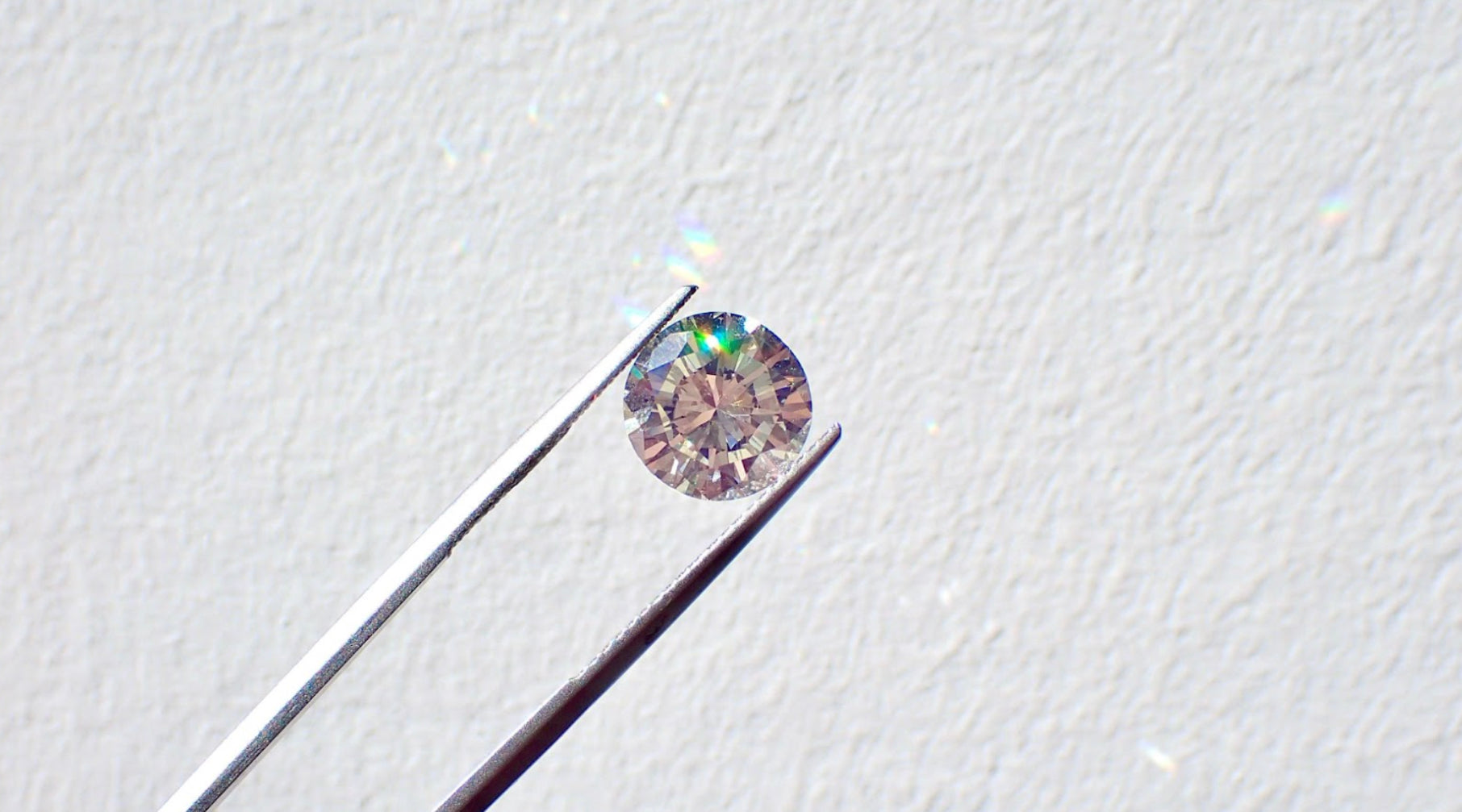
Shining bright through history, diamonds carry meaning tied to love and value. Now though, nature isn’t the only source. Hidden inside high-tech labs, new gems take shape without digging mines. These creations stir strong opinions across jewelers and shoppers alike. One question keeps coming up – how do these lab born stones compare to those pulled from the ground?
A choice shows up when nature meets science in gems. One comes from deep earth shifts, the other from careful setups under controlled roofs. Value splits along lines of rarity versus access. Feelings might pull one way, budgets another, beliefs a third. Each path holds weight, just not always the same kind.
What really sets them apart? That’s worth a closer look.
Man Made Diamonds Explained?
A single spark within a lab becomes a gem when technicians mimic the deep earth’s squeeze and warmth. Weeks pass before light fractures through carbon just like it does after eons underground. Machines host what volcanoes once ruled alone. Nature gets a mirror, not a rival.
Fake gems they’re not. While materials like cubic zirconia or moissanite differ, man made diamonds match their natural counterparts atom by atom – just carbon locked into a repeating lattice pattern.
That means:
- Same sparkle
- Same hardness
- Same durability
A diamond ranks just as high as moissanite – both hit maximum resistance on the mineral toughness chart. This shared strength means either handles everyday knocks without scratching.
What sets them apart is where they come from – deep below ground versus built carefully by people. One grows beneath rock layers, the other takes shape under watchful eyes.
Nature Versus Technology
Starting off, where they come from sets lab grown diamonds vs real diamonds.
Deep under the surface, natural diamonds take shape across unimaginable stretches of time. From hidden layers beneath our feet, they emerge after long and demanding digging operations.
Still, lab-grown diamonds form inside labs through methods like
- High Pressure High Temperature (HPHT)
- Chemical Vapor Deposition (CVD)
Faster than what happens outside, each way copies how things grow in the wild.
Besides science, these stones match exactly when you look at them closely
- Chemical makeup
- Physical structure
- Optical appearance
Folks who work with gems every day still sometimes require special tools just to spot the differences.
Can You Spot the Difference in How They Look?
Fake diamonds get a bad rap for appearing fake – truth is, they do not. Most folks can’t tell them apart just by looking. Appearance wise, lab grown stones match mined ones point for point. The idea they sparkle less? Just noise. Light behaves the same way on both. What sets them apart isn’t how they look – it’s where they come from. People assume differences exist even when eyes see none.
Actually, that is not what happens.
One looks just like the other when you glance at them up close. Whether mined or made, both shine in exactly the same way.
Here’s why – their matching makeup means light treats them alike.
A few lab-made gems can look just a bit cleaner, since their growth happens under steady settings that limit tiny flaws.
A look at lab grown diamonds beside natural ones shows they match closely in appearance. Beauty-wise, spotting a distinction proves tough. One might shine just like the other under light. Visual appeal? Nearly identical either way. What meets the eye tells no clear story of origin.
Price: The Game-Changer
Fake diamonds often come with a lighter price tag.
Lab-grown diamonds are typically:
- Last time I checked, prices dropped between twenty and forty percent compared to natural stones matching in quality
- Sometimes costing as much as 60%–80% below standard prices
This price difference exists because natural diamonds require:
- Mining operations
- Transportation
- Limited natural supply
Still, growing things in labs takes less time plus spreads easier.
This changes things for those purchasing
A bigger rock fits your wallet just fine. Quality climbs without spending more. Money stays put, value goes up.
Laboratory-created stones usually cost less, which sways many buyers today when comparing them to natural ones.
Environmental and Ethical Impact
Mining diamonds can cause:
- Deforestation
- Soil erosion
- Habitat destruction
Besides its ties to troubled regions, questions about fairness have followed it for years. Yet uneasy feelings linger around how it’s pulled from the ground.
Fewer digs into the earth happen because these lab grown stones take a different path to market. Buyers who watch their planet print tend to lean this way instead.
Still, lab-made stuff might use a lot of power – especially if the building runs on dirty electricity.
Even so, plenty of today’s labs run partly on wind or solar power to ease their strain on nature.
Folks who care about the planet tend to see lab made stones as an easier choice than mined ones. Though both shine, one digs less into Earth’s skin.
Durability and Quality
When it comes to quality, lab-grown stones hold their ground just fine.
One kind earns points just like the other does. Scoring works identically across both forms
- Cut
- Color
- Clarity
- Carat
Whether a diamond comes from a lab or the earth makes no difference here. The rules treat both kinds the same way. One doesn’t get special treatment over the other. What matters is meeting the set level, nothing more.
Salt and pepper durability marks both, standing up well to daily wear without showing scars. These qualities open a clear path toward choosing them for lifelong pieces passed down through generations.
A draw it remains when stacking lab made stones against natural ones for power and prowess. Strength shows no preference either way.
Resale Value
Fresh out of the earth, real diamonds keep their edge.
A stone’s worth often holds steady through the years. Its price could rise, if it happens to be rare and people want it.
Fake diamonds often sell for less later since factories make them faster, in bigger batches. Their price drops partly due to how common they’ve become over time.
Some people who watch the jewelry market say lab-made gems make sense mostly if you like them, not if you want to sell later.
When thinking about lasting worth, the contrast between lab created stones and natural ones really shows. It’s this point that sets them apart over time.
Feelings and Traditions
Deep under our planet, natural diamonds take shape across eons, building stories in carbon and time.
Something about it touches people deeply.
Still, lab-grown stones match today’s ideals like:
- Innovation
- Sustainability
- Smart spending
What someone picks usually shows what they value most, not that one option is clearly better. Sometimes it’s less about facts and more about what matters to them personally.
The Future of Diamonds
These stones made in labs are catching on fast across the globe because they cost less, yet feel right in hand. People like them more now, not just for price but how they’re created matters too.
Folks are buying them more than ever when it comes to engagement rings in certain areas.
Faster machines mean labs grow gems quicker now. So lab stones show up more places, easier to get. New tools shape each one faster than before. These changes help more people find them nearby.
Yet tradition holds tight when it comes to natural diamonds. Their link to luxury doesn’t fade easily. Over time, this image sticks without much pushback. Even so, feelings about value shift slowly behind the scenes. Perception bends but rarely breaks.
Final Thoughts
Truth sits plainly when you line up lab grown stones beside natural ones
Fine stones, these two. Genuine sparklers through and through.
They share the same:
- Beauty
- Strength
- Composition
What actually sets them apart is this:
- Origin
- Cost
- Environmental impact
- Resale value
From labs comes a new kind of gem – clear, sharp, built by human hands. Nature’s version took ages under rock and heat, formed long before people walked the earth.
What really counts comes down to your priorities – maybe it’s old roots instead of new gadgets, long-term value rather than ease of reach, time-tested ways contrasted with eco-conscious steps.
 Opal Simmons