

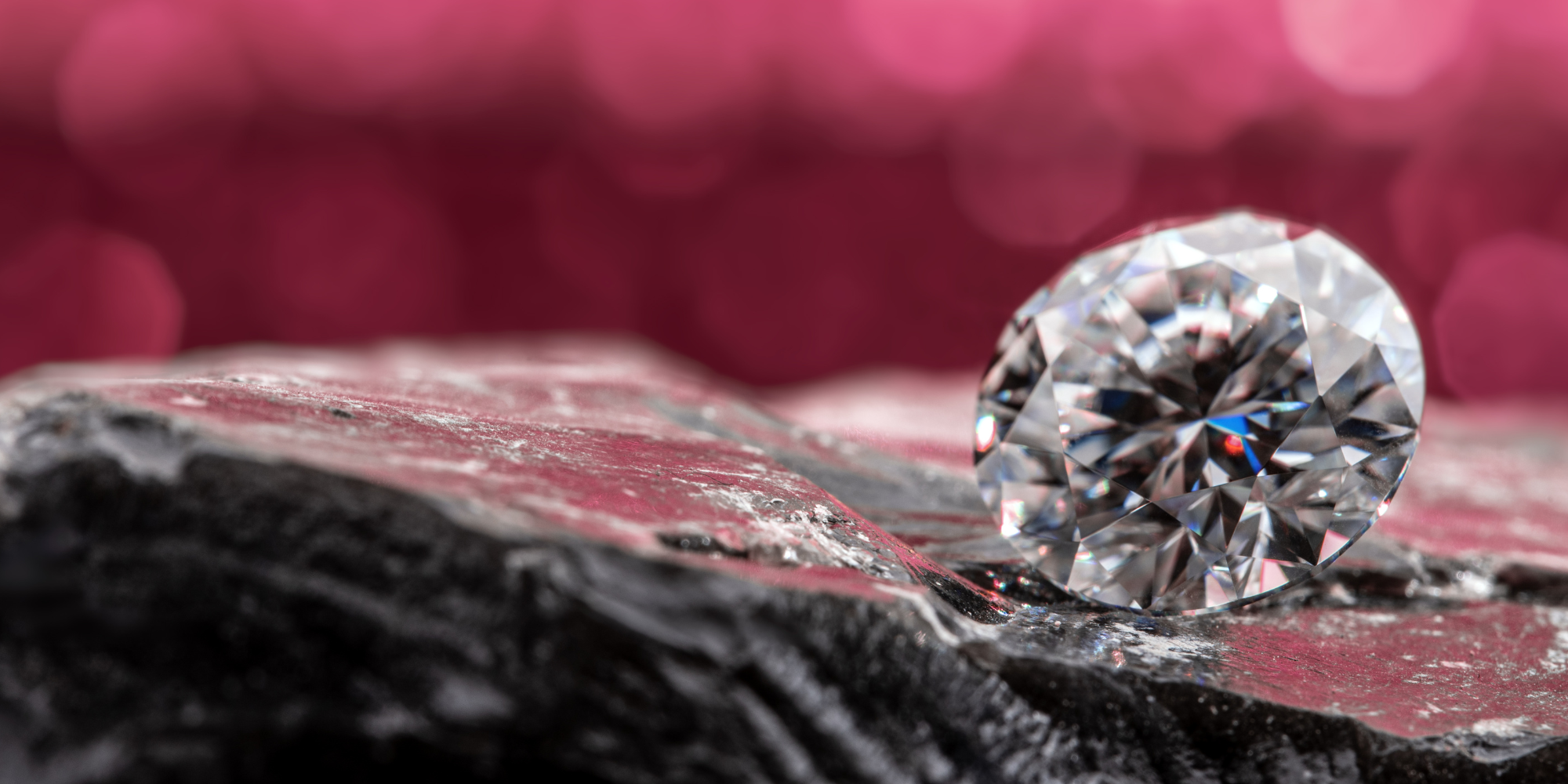
So, here’s the thing—diamonds are complicated. Not just in how they’re formed, but in how we judge them. If you’ve ever walked into a jewellery store (or even scrolled endlessly online), you’ve probably come across the term “4Cs.” And when it comes to lab diamonds 4Cs, the 4Cs are just as important—maybe even more so.
But here’s where most people get tripped up. The 4Cs aren’t just numbers or grades on a chart. They can literally change how your diamond looks, sparkles, and even feels when you wear it. And honestly? If you don’t understand them, you might end up spending way more than you need to.
So, let’s talk about lab diamonds, the 4Cs, and why they matter.
Diamonds With a Backstory
Think about it. Every piece of jewellery has some kind of story—maybe it’s an engagement, a milestone birthday, or a self-love purchase (which, by the way, I fully support). Now, lab diamonds carry a slightly different story than mined ones.
They’re grown in high-tech labs instead of being pulled out of the earth. But—and this surprises people—they’re chemically and physically identical to mined diamonds. The sparkle? Same. The durability? Same. The romance factor? Well, that’s personal. Some people love the idea of a gem that hasn’t been dug out of the ground.
Here’s the kicker though: lab diamonds are usually 30–40% less expensive than mined diamonds. Which means you can either save money or go bigger without breaking the bank.
But before you run out and buy the biggest one you see, you’ve got to understand how the 4Cs come into play.
The 4Cs Without the Boring Lecture
Alright, quick refresher. The 4Cs stand for cut, color, clarity, and carat weight. Sounds straightforward, but let me break it down without all the jargon.
-
Cut – This is the one that really makes your diamond sparkle. Even if you get a huge stone, if the cut is bad, it’ll just look… meh. Honestly, I’d choose a well-cut smaller diamond over a badly cut big one any day.
-
Color – Diamonds aren’t always pure white. They have subtle tints. The closer to “colorless,” the rarer and pricier. But here’s the secret: your eye won’t even notice tiny differences unless you’re trained.
-
Clarity – This is about how flawless the diamond is inside. Think of it like nature’s fingerprints. Lab diamonds often have fewer inclusions than mined ones, so you’re already winning here.
-
Carat – The size. This is the one everyone talks about, but size isn’t everything (yes, I went there). A well-cut 1-carat can look way more stunning than a poorly cut 2-carat.
Now, when it comes to lab diamonds and the 4Cs, here’s the good news: you usually get better quality for your money. Because they’re grown in controlled environments, lab diamonds often rank higher on clarity and color compared to their mined cousins.
So, What’s Trending Right Now?
Let’s face it—jewellery isn’t just about science; it’s about style. And with lab diamonds, there’s been a shift.
People aren’t just looking for the “biggest rock.” They’re looking for something meaningful, ethical, and a bit unique. Oval and pear shapes are hot right now because they elongate the finger and stand out from the classic round. Halo settings? Still a thing, but more people are moving toward minimalist solitaire designs.
Another trend: customisation. With lab diamonds being more affordable, buyers are spending extra on custom settings. Think rose gold, hidden halos, or even mixing in colored gemstones with their lab diamond. Because why not?
The Local Angle—Why It Matters Where You Buy
Now, depending on where you’re shopping, the experience can vary. In big cities, you might find sleek showrooms that make you feel like you’re stepping into a luxury spa. Online, you’ll see endless options that sometimes feel overwhelming.
But here’s something I’ve noticed—buying lab diamonds locally gives you that reassurance of seeing the stone in person. On the flip side, online retailers usually offer better prices and more variety. My advice? Window shop in person, then compare online before making the final call.
And here’s a little tip: don’t be afraid to ask for certification. Just like mined diamonds, lab diamonds come with grading reports from respected labs. If someone tries to sell you one without paperwork, walk away.
How the Process Really Works
Okay, let’s say you’re ready to buy. What’s the actual process like? It’s not as intimidating as people think.
-
Pick your diamond first. Whether online or in a store, filter by cut, color, clarity, and carat. Focus on cut first—it’s the sparkle-maker.
-
Choose the setting. Solitaire, halo, three-stone, vintage vibes—whatever feels like “you.”
-
Certification check. Always. No excuses. Lab diamonds should have a grading report, just like mined ones.
-
Get the details right. Metal type (white gold, yellow, platinum), ring size, engraving if you want something personal.
-
Final polish. The jeweller sets the diamond, and you get to walk out (or receive the package) like you’ve just won the lottery.
Honestly, it’s a lot easier than it looks when you break it down.
Wrapping It Up
At the end of the day, lab diamonds aren’t just a cheaper alternative—they’re a smart, stylish, and sometimes even more beautiful choice. And understanding the 4Cs is what makes sure you get the most out of your investment.
Because let’s be honest, a diamond isn’t just about carats or clarity—it’s about the story it tells every time you wear it. And lab diamonds with the 4Cs in your back pocket? That’s a story worth telling.
 Opal Simmons